So this was a little trick that my husband told me about, and it’s a pretty useful one too. But also a fun science experiment to do with the kids, especially if you are boiling eggs for breakfast/lunch/dinner like we seem to do on a regular basis!
What you need:
- Eggs (essential – hard boiled and uncooked)
What to do:
- Spin the hard-boiled egg round.
- Touch lightly with your finger and let go. Watch what happens.
- Do this with the uncooked egg and see if anything different happens.


Tips/extra bits:
- Turn it into a game and see if you child can guess which egg is hard-boiled and which isn’t just by seeing what they do when you spin and stop them. Let the hard-boiled eggs cool down first otherwise it’s a bit of a give away (Kid M just said “the warm one of course!”).
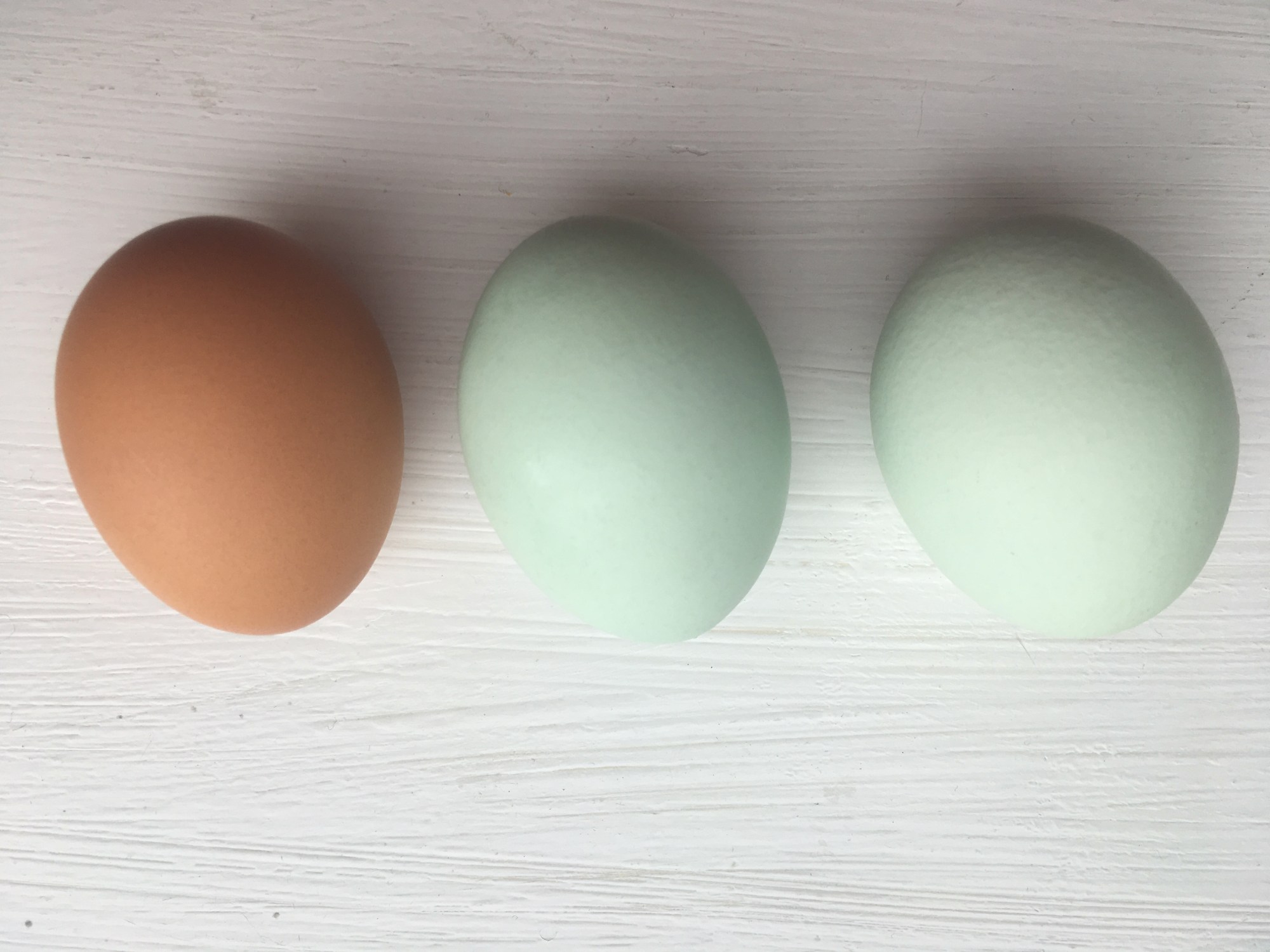
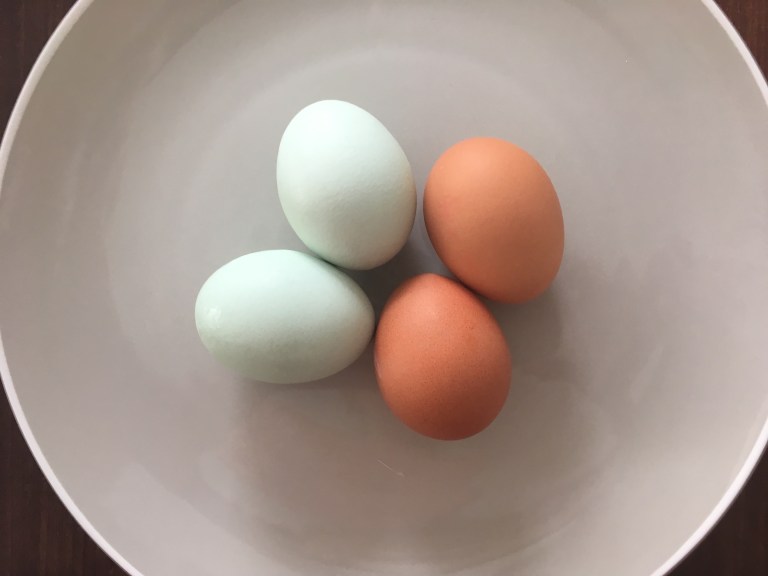
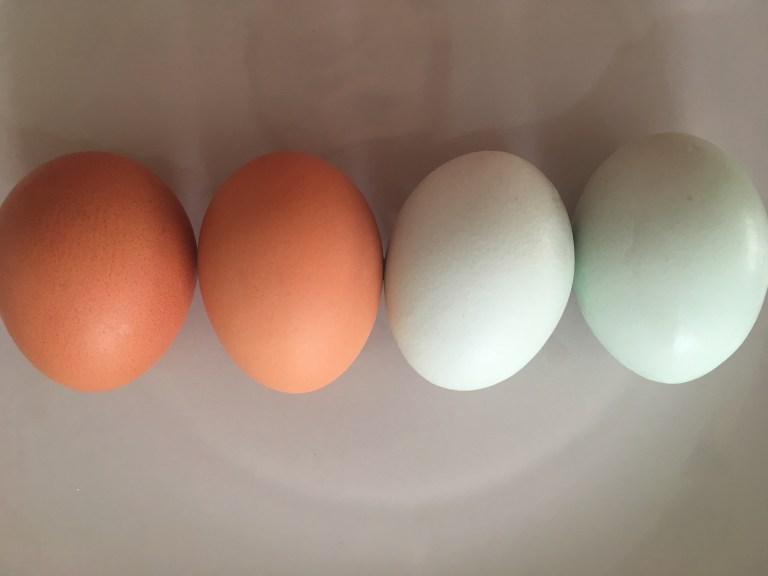
- We were lucky enough to have different coloured eggs so could easily tell which one was hard-boiled but if you don’t then label them before you mix them up.
The science bit
The hard-boiled egg should have been easy to spin and easy to stop. The uncooked ones are harder to start spinning and will keep spinning after you have touched them. The conservation of angular momentum is key here. It says that things that are moving like to keep moving. When a force is applied to the moving object the constant (momentum) is affected. This is the same in reverse of course. Objects that are still will remain motionless until something moves it.
When it comes to the eggs the state of the matter inside of the egg plays a part in the different reactions. Because the hard-boiled egg is solid inside it will stop when you touch the shell, just as it is easier to move. However the inside of the uncooked egg is liquid and so the liquid keeps moving once you have touched the solid shell.


Explaining it to children
Think about when you are on a roundabout. It takes force (someone pushing it) to start the roundabout and then if you want to stop it also takes force of someone to stop it (obviously friction is also a force acting on the roundabout to slow it down). You move with the roundabout, and slow down with the roundabout. However if there was a bucket of water on the roundabout it might behave differently because the ‘liquid’ water moves in a different way to the ‘solid’ roundabout. You could always test it to see what happens!
 The Life Scientifique